
When you stand in the middle of the Mojave, it’s easy to feel like you’re on another planet. But the reality is that desert dwellers have been navigating these arid, high-heat landscapes for millennia. Long before the first V60 was ever molded, the nomads of the Sahara and the Middle East were perfecting the art of “Desert Coffee.”
In the Western world, we often view spices in coffee—like the ubiquitous pumpkin spice—as a seasonal gimmick. But in the global desert tradition, spices like cardamom, cloves, and cinnamon weren’t just about flavor; they were about survival, preservation, and hospitality.
The History of the Spiced Pot
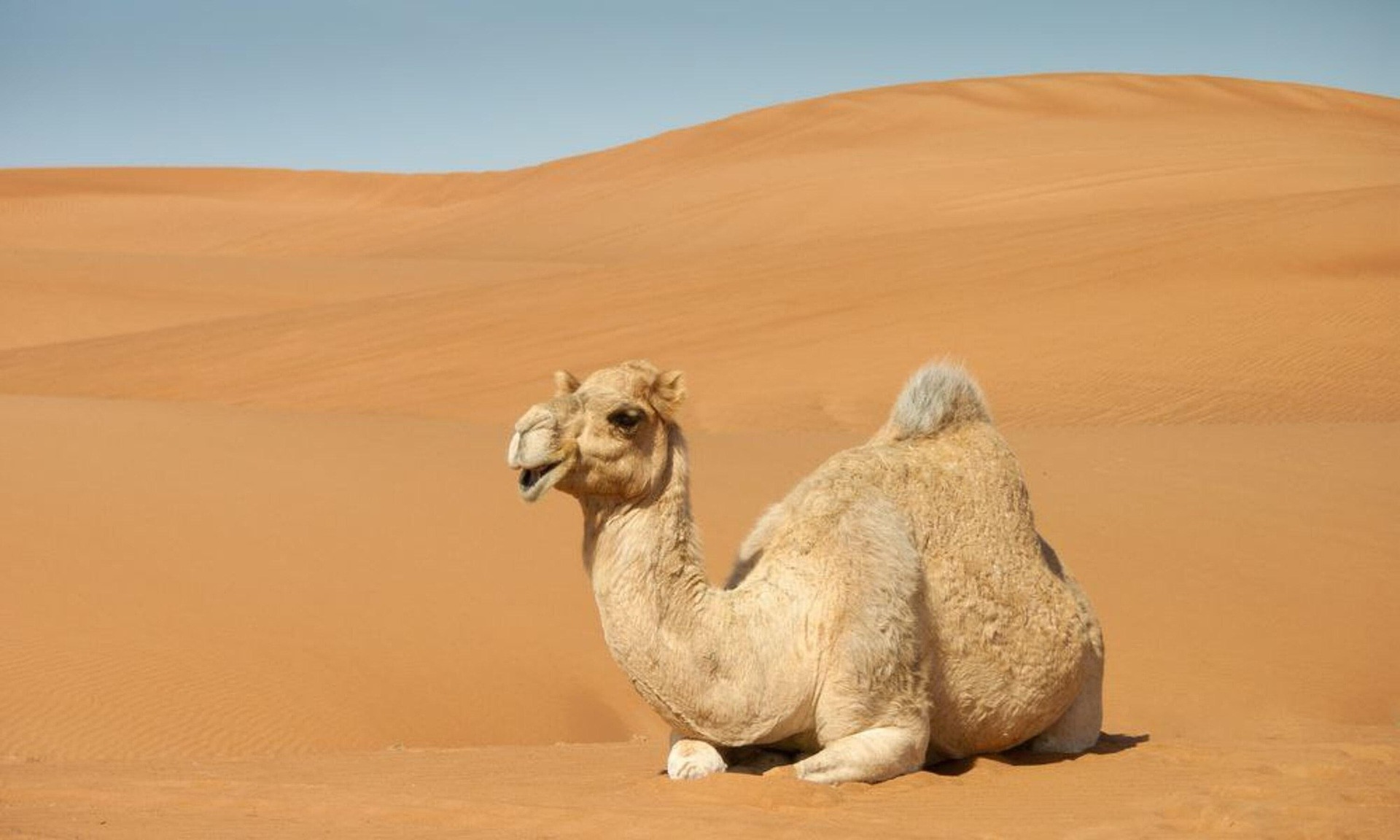
Historically, coffee in Morocco and across the Maghreb was brewed in a dallah or a pot over hot sand. Because coffee beans were a precious commodity that often traveled long distances by camel caravan, they could become stale or “baggy” during the trek.
The addition of spices served a dual purpose:
- Preservation: Spices like cloves have natural antimicrobial properties.
- Flavor Masking: The aromatic oils in cardamom helped “lift” the profile of older beans, masking bitterness and adding a refreshing, cooling top note.
Why Spiced Coffee Works in the Southwest
As I sit on my porch in the Morongo Basin, I’ve found that a traditional Moroccan Qahwa Mazbouta (coffee with a “seven-spice” blend) feels more “at home” here than a standard latte.
The heat of the desert actually makes us crave “warming” spices. It sounds counterintuitive, but spices like ginger and black pepper can induce a mild thermogenic effect, helping your body regulate its temperature in the heat.
The Sandra’s Coffee Corner “Mojave Spice” Recipe:
- The Base: A medium-dark roast (to stand up to the spices).
- The Blend: 2 pods of green cardamom (crushed), 1 whole clove, and a pinch of ground ginger.
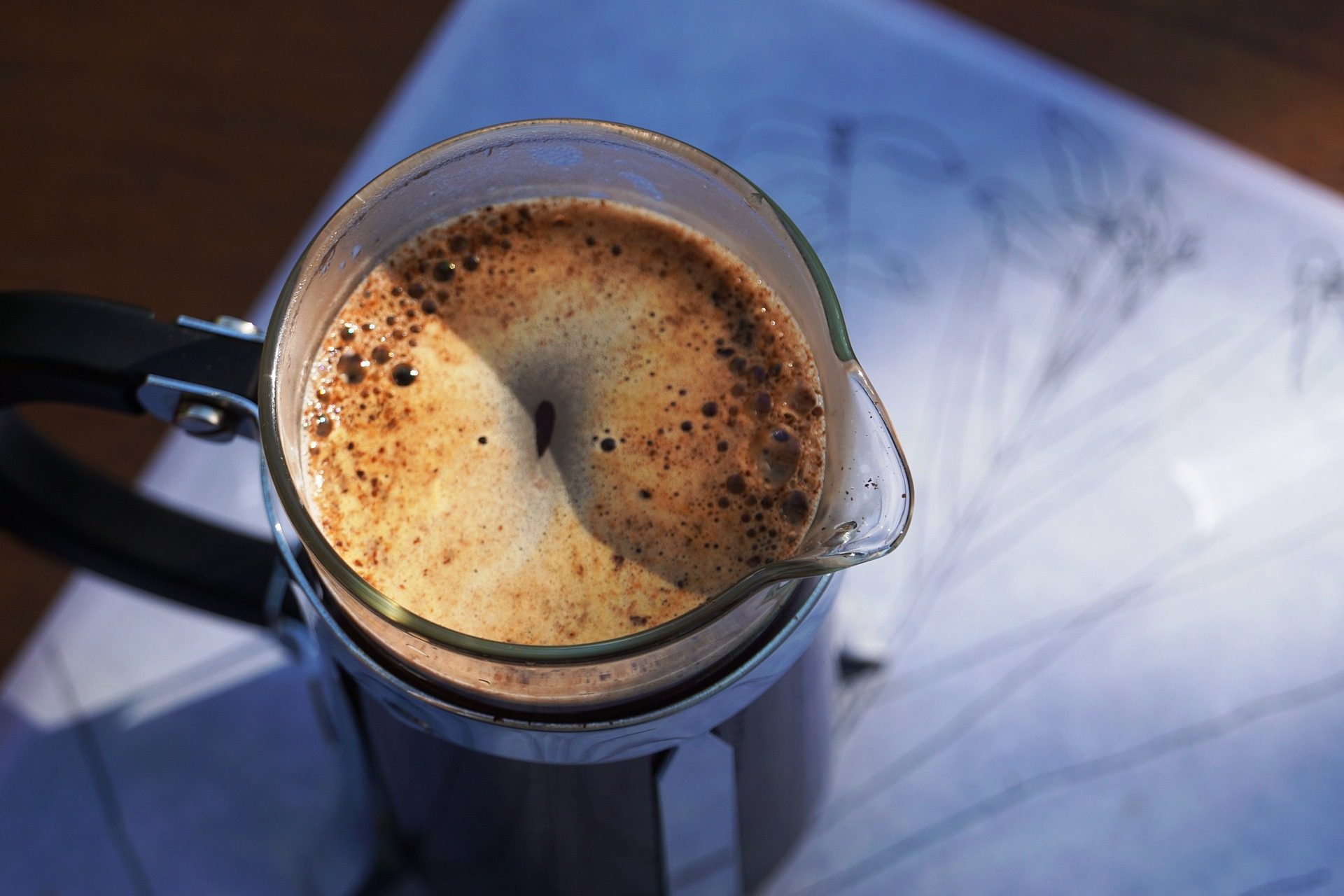
- The Method: Add the spices directly into your French press or Moka pot grounds before brewing.
The result is a cup that is aromatic, complex, and deeply grounded. It connects us to a lineage of desert people who understood that coffee is more than a drink—it’s a ritual of resilience.