In the city, coffee is a transaction. It’s a “venti-something” grabbed through a window while checking emails. It’s a fuel source for the grind. But in the High Desert, we have reclaimed the Slow Pour. ### The Anti-Fast-Food Movement Living in a remote area forces a shift in perspective. If it takes you 15 minutes to drive to the nearest shop, you aren’t in a rush to leave once you get there. The “Third Space” (a place that is not home and not work) is sacred in the desert.
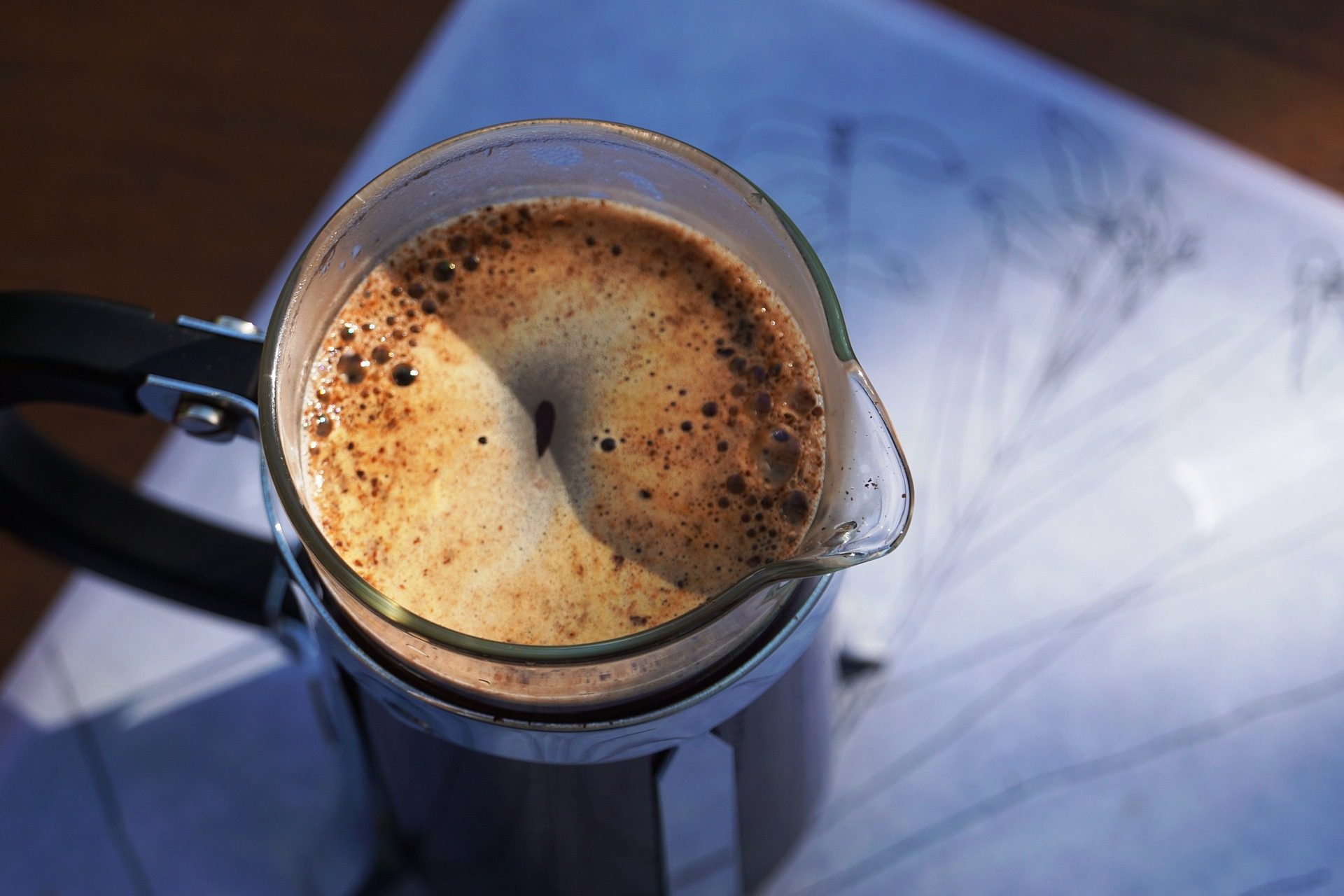
The Slow Living movement is perfectly encapsulated in the 15-minute V60 ritual. Unlike an automated drip machine, a V60 requires you to stand still. You must watch the bloom. You must pour in concentric circles. You must wait for the drawdown. For those 15 minutes, you cannot be productive in the “capitalist” sense. You can only be present.
The Philosophy of “Desert Modern”
In the High Desert, the landscape is the protagonist. The architecture is designed to be a frame, not a distraction. This philosophy extends directly into the coffee cup.
The Minimalist Coffee Movement argues that the more “clutter” there is in your environment—both visual and auditory—the less you are able to focus on the sensory nuances of what you are eating or drinking. In a desert café, the “poverty of stimuli” (the lack of bright colors and busy patterns) allows your olfactory system to take center stage.
Sensory Clarity
When you sit in a space made of raw wood and concrete, your brain isn’t busy processing neon signs or wallpaper. It’s free to notice the faint scent of jasmine in a washed Kenia coffee or the blueberry notes in a natural-process Yirgacheffe.